Does your Pakistani business need a 3-phase hybrid inverter? Compare backup, battery sizing, phase limits, costs and simpler alternatives before buying.

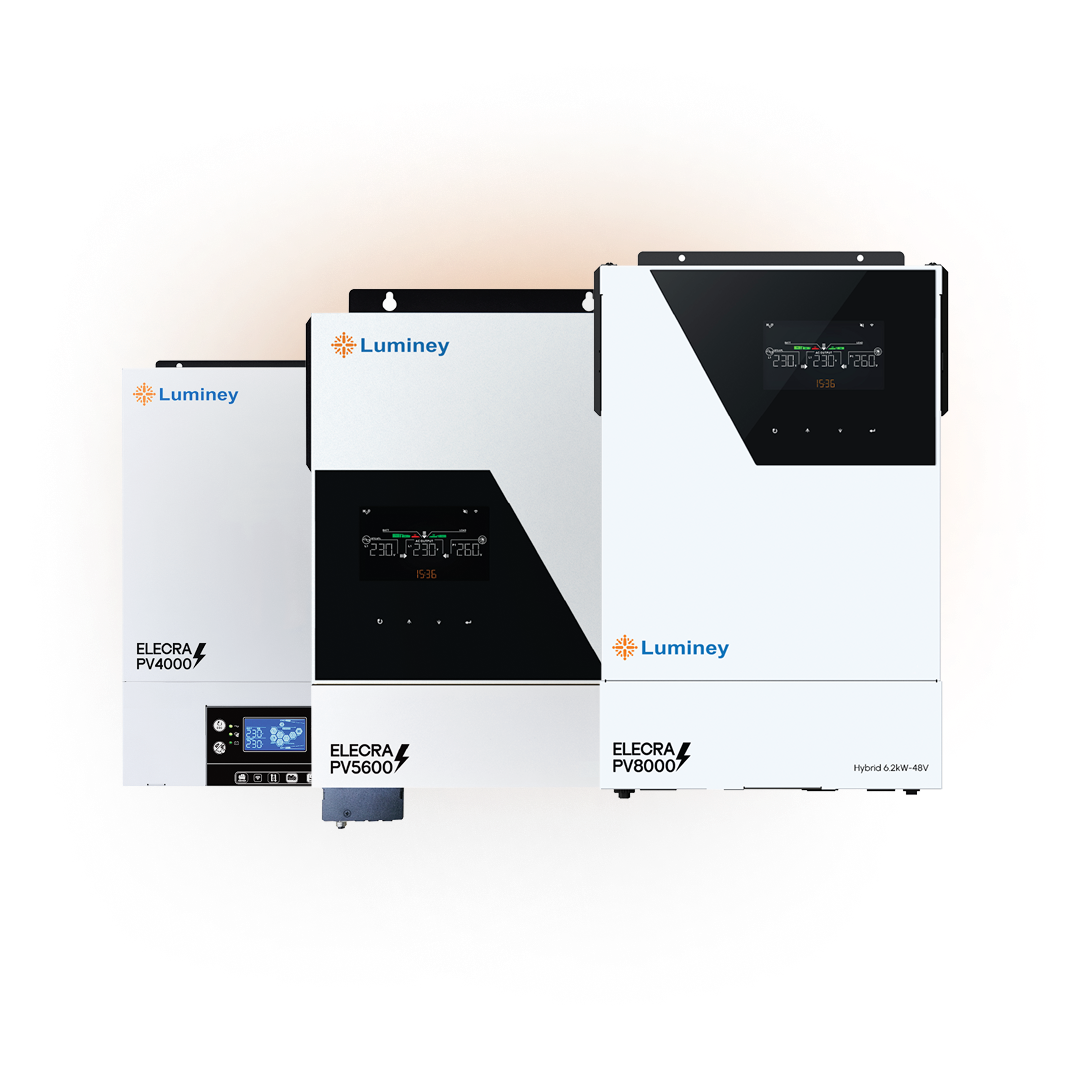
Luminey's inverter and commercial-storage ranges provide a useful starting point for a business energy assessment. The first question is whether your site needs daytime solar, stored energy or backup across all three phases. These are related requirements, but they do not always call for the same equipment.
A 3-phase hybrid inverter becomes worth assessing when a business needs compatible battery storage and has loads or a distribution arrangement that justify three-phase operation. Having a three-phase electricity connection alone does not settle the decision. An office backing up a few computers faces a different problem from a workshop restarting a three-phase compressor.
This guide helps Pakistani business owners decide whether a three-phase hybrid system is necessary, what its limitations are and what to request in a quotation. It focuses on the buying decision rather than repeating a general three-phase installation guide.
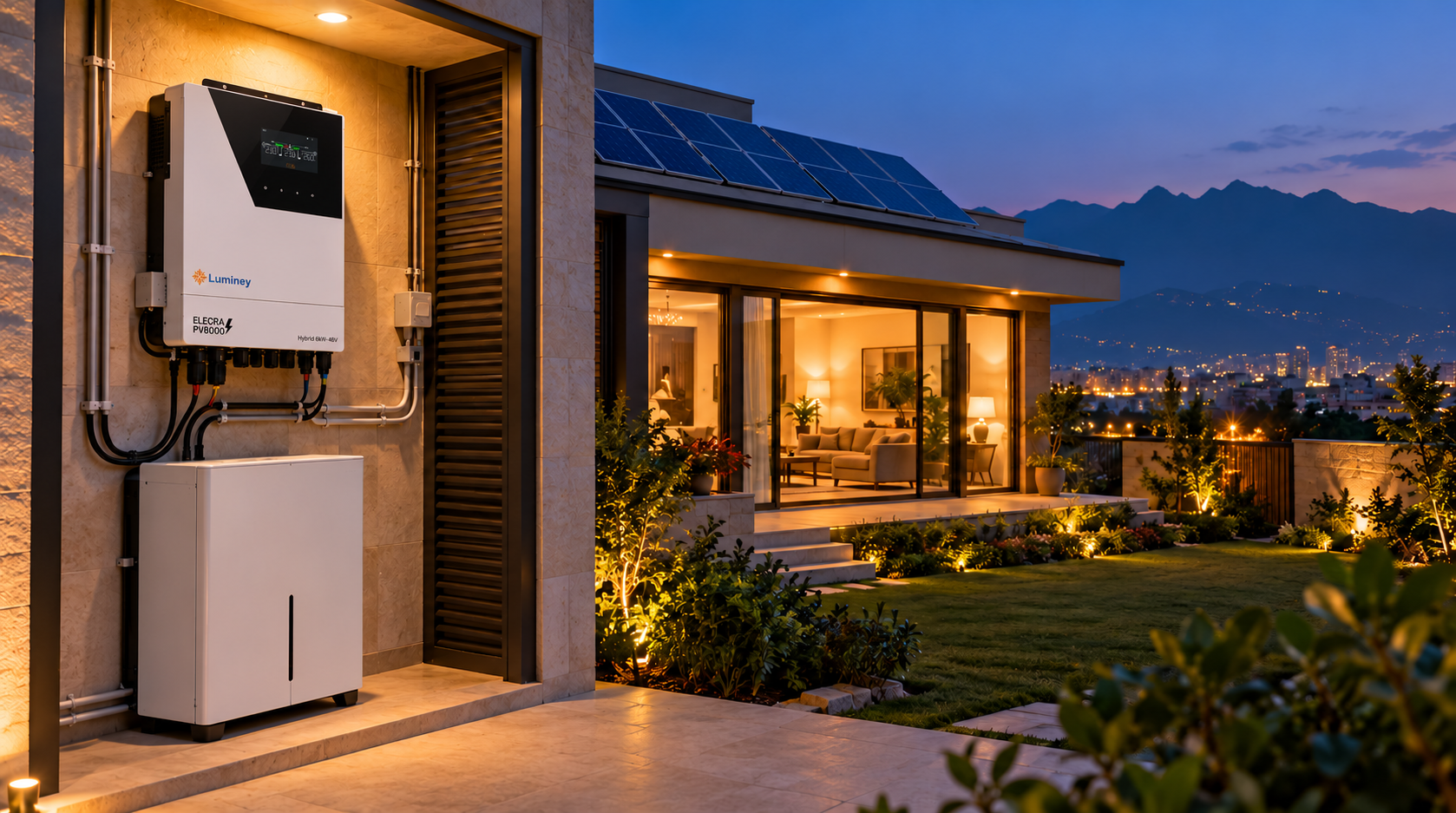
A three-phase hybrid solar inverter combines solar conversion with supported battery charging and discharging while providing three-phase AC operation. Depending on the model and design, it can coordinate solar, batteries and the utility supply, and may support a separate backup output or generator integration.
The word “hybrid” does not guarantee every operating mode. Check the exact model's manual for islanded operation, black start, transfer behaviour, grid export, generator support and battery-free modes. Manufacturer explanations, such as Megarevo's hybrid inverter overview and SRNE's three-phase hybrid introduction, explain the category; the product documents determine the final design.
During normal operation, a supported control strategy can direct available solar to loads, charge storage or operate under an approved export arrangement. During an outage, only the equipment and circuits designed for backup can continue operating, within their power and energy limits.
The system must isolate its backup supply appropriately from a failed utility network. A battery connected to an inverter does not, by itself, prove the site can operate safely while islanded. Ask the supplier to explain the complete operating sequence for your installation.
Not automatically. The site connection, proposed inverter connection and backup circuits all need to be considered together. A small single-phase solution may be technically suitable for selected circuits in some installations, subject to utility conditions, phase loading and the manufacturer's requirements. It cannot be assumed to back up a three-phase motor or the entire building.
If your plan is a larger grid-connected installation or backup across multiple phases, a three-phase design may be appropriate. The engineer should justify that choice from demand measurements and the actual distribution arrangement. CHINT's phase-selection article provides related context; local connection requirements remain project-specific.
Use the operating requirement to narrow the options before comparing brands.
An engineering assessment may recommend a hybrid inverter, a separate battery power-conversion system or another supported arrangement. “Battery storage” and “one all-in-one hybrid inverter” are not interchangeable specifications.
Identify what an outage actually interrupts: sales processing, refrigeration, lighting, machinery or a controlled shutdown. Define acceptable interruption time and which loads can be shed. A UPS may remain necessary for equipment that cannot tolerate the hybrid system's transfer behaviour.
Storage can move usable energy from one time to another, but the value depends on the site's tariff, charging source, losses, battery wear and operating schedule. Peak-demand reduction also requires controls and enough battery power available when the measured peak occurs. Do not count every stored unit as a guaranteed saving.
Luminey's G2 Pro and G3 catalogue lists on-grid products: G2 Pro at 10kW, 15kW and 20kW, and G3 at 30kW, 40kW and 50kW. They are relevant to grid-connected solar, not standalone three-phase battery-backup hybrids.
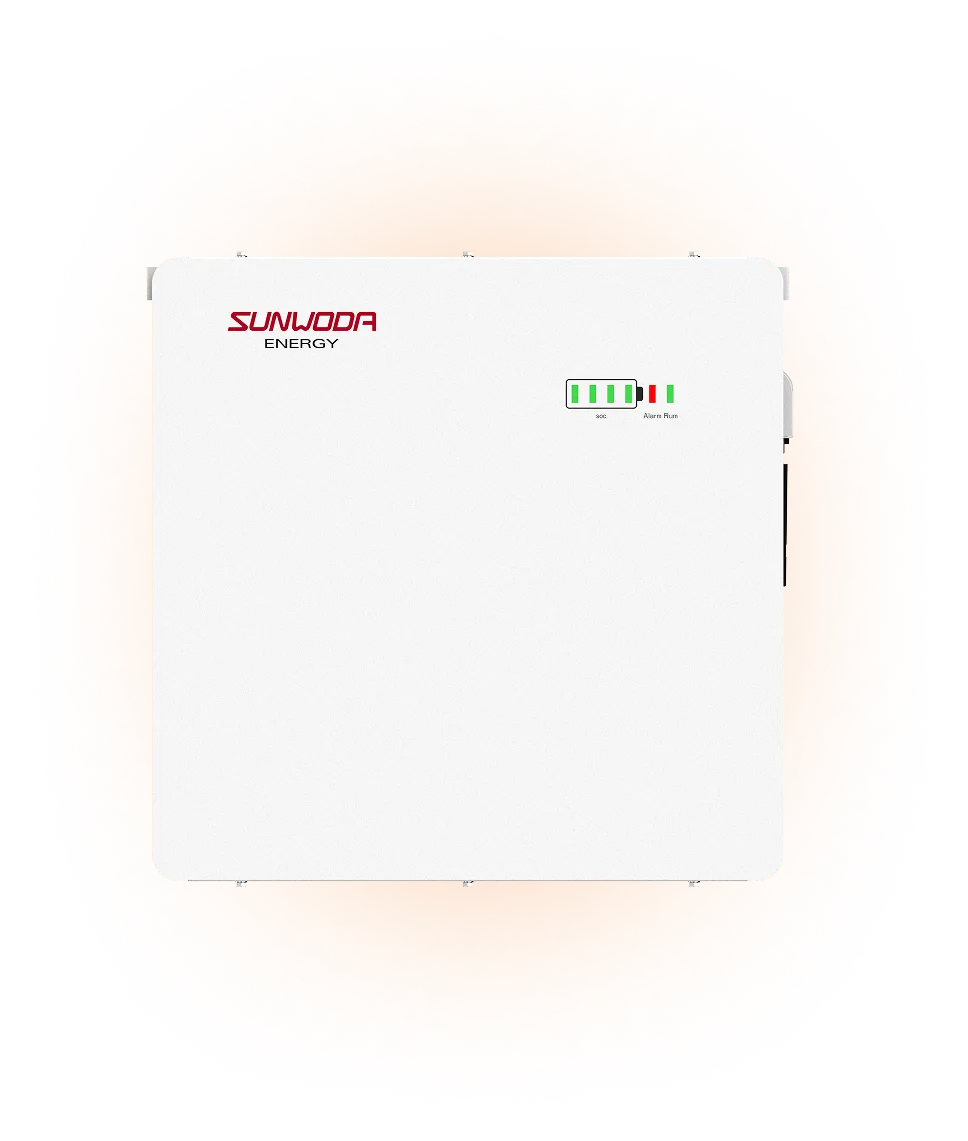
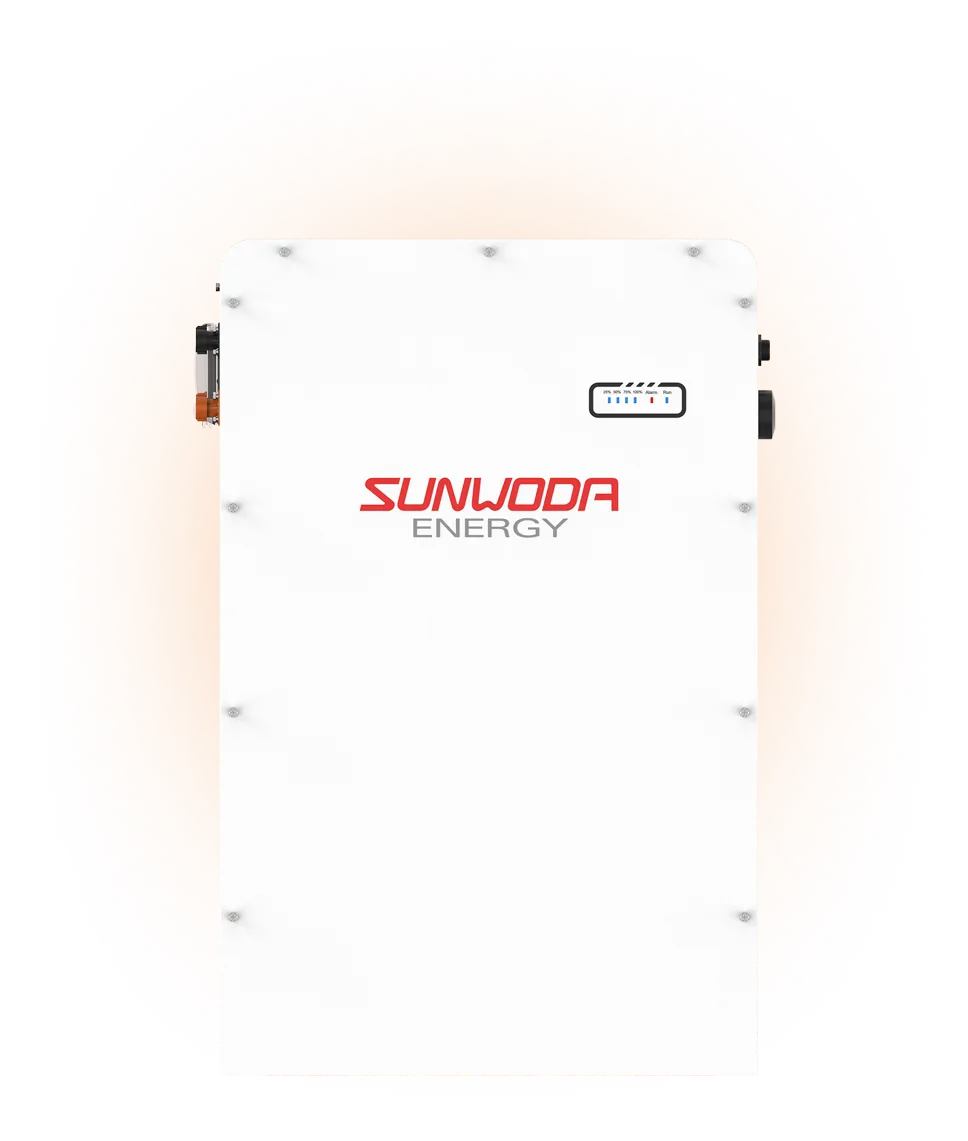
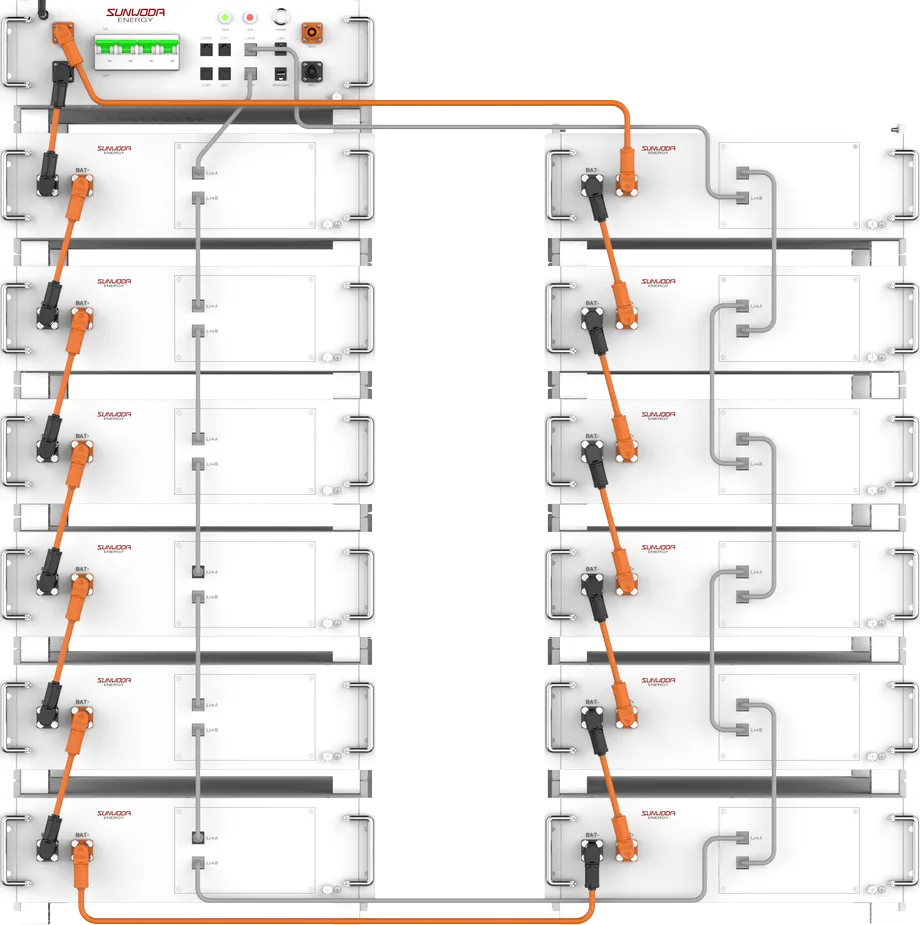
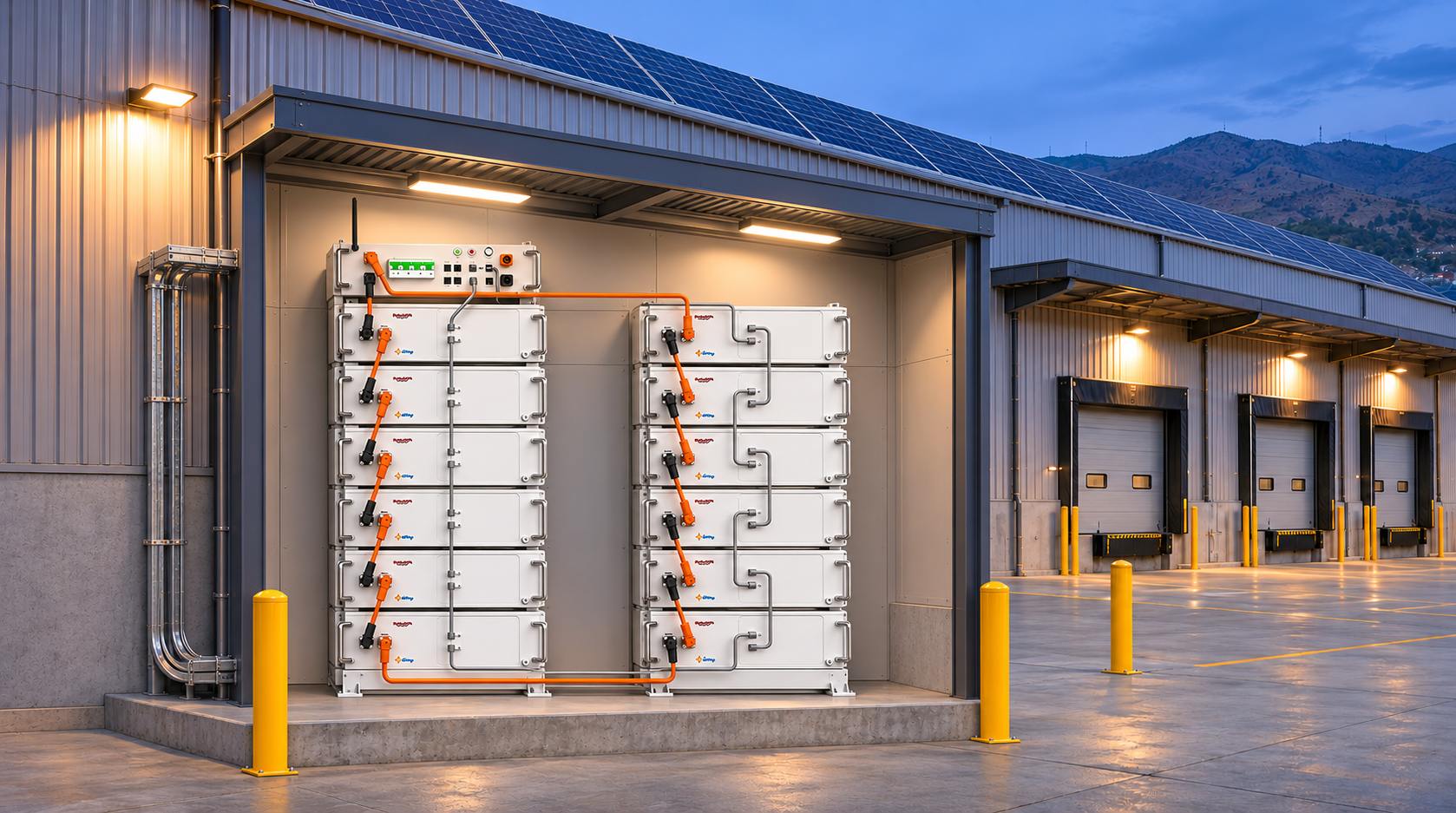
The business conversation should therefore include Luminey's commercial and industrial storage range where storage is required. Ask the team for a current, documented architecture with named inverter, battery, control and backup components. Do not assume that any two products can be combined simply because they appear on the same website.
Luminey's useful point of difference is the ability to discuss both solar and storage requirements through a product and support ecosystem. Its official website provides a route to technical assistance. The proposal still needs written compatibility, warranty and service terms for the equipment supplied.
For broader inverter comparisons, read the published Best Solar Inverter in Pakistan guide.
Three-phase output does not automatically redistribute the building's existing single-phase loads. An overloaded phase can remain a constraint even when the total demand appears acceptable.
Measure simultaneous demand, starting loads and the essential-load distribution. For example, assume a hypothetical 15kW backup inverter permits no more than 5kW on any phase. Loads of 6kW, 2kW and 2kW total only 10kW, yet the first phase exceeds that stated limit.
This is an illustration, not a specification for all 15kW inverters. Some models support different imbalance arrangements. Sunways specifically identifies per-phase capability and unbalanced output as selection checks in its three-phase hybrid guide.
Check motor restart behaviour as well. A continuous kW rating or a brief surge claim does not establish that a compressor will restart under the intended battery-only conditions.
Suppose essential loads need 6kW for two hours. Required delivered energy is 12kWh. With illustrative assumptions of 90% usable battery energy and 92% conversion efficiency, the minimum nominal energy calculation is 12 ÷ (0.90 × 0.92), or approximately 14.5kWh.
This excludes standby use, changing load, temperature effects and ageing reserve. A battery also needs sufficient continuous discharge power to supply the load. Confirm the inverter's battery-mode limits, approved voltage range, BMS communications, firmware and battery current limits.
Use Luminey's Solar Load Calculator for Pakistan to organise the loads, and its lithium battery buying guide for storage terminology. Final commercial sizing should use measured site data.
Five-kilowatt three-phase hybrid products exist in some manufacturers' ranges. For example, SolaX's property-selection guide describes ranges beginning at 5kW. That establishes product-category availability, not Pakistani stock, approval or a Luminey offering.
A 5kW total rating can be suitable for a modest essential-load requirement. It is not 5kW available independently on each of three phases unless the manufacturer explicitly states an unusual operating capability. Check actual per-phase ratings before pairing it with a large single-phase appliance.
Three-phase equipment can add installation and design complexity when compared with a small backup circuit. Phase distribution, neutral arrangements, protection, metering and controls must match the building. The result may cost more than the business needs if its essential loads are small and limited to one phase.
Per-phase output restrictions can limit a concentrated load. A compatible three-phase output also does not remove motor-starting constraints. Nor does three-phase solar automatically improve every tariff bill or eliminate utility imports.
These are selection trade-offs, not reasons to reject three-phase systems where the site genuinely needs them.
A hybrid design introduces battery cost, conversion losses, compatibility checks and future replacement planning. Controls need commissioning and ongoing attention. Backup can still fail to meet expectations if the battery is depleted, the load exceeds a phase limit or a motor start exceeds the supported surge.
An integrated product may also create dependence on a particular battery list or service route. Ask what happens if a battery model is discontinued or the inverter needs repair. Compare warranty responsibilities for the inverter, battery and workmanship separately.
For a business with a dependable grid and little need for stored energy, these additional costs may not deliver enough benefit. A hybrid label is not a business case, even when printed in impressively large letters.
Searches for “220V single phase to 3 phase Inverter” or “240V to 415V 3 phase inverter” often concern motor drives or dedicated phase converters. They do not identify the same product category as a solar hybrid inverter.
Input phases, output phases, voltage conversion and motor compatibility all require explicit specifications. For example, Yaskawa's A1000 ratings include a 240V single-phase-input application with 208–230V three-phase output. That example does not establish 415V output, and it is a motor-drive application rather than a general building-backup design.
If your site only has single-phase supply but needs three-phase machinery, have an engineer assess the supply upgrade or appropriate conversion equipment. Do not buy a three-phase solar hybrid expecting it to provide an undocumented voltage or phase conversion.
The searches “3 Phase Inverter price” and “3 phase solar inverter price” can mix motor drives, on-grid products, hybrids and complete storage systems. A single headline number would compare different equipment and installation scopes.
Request comparable dated quotations for the same essential-load requirement and runtime:
Do not estimate a complete three-phase hybrid installation by multiplying the price of a residential inverter. Read Luminey's solar installation-cost guide and solar-company selection checklist when comparing the wider scope.
Before approving the project, require answers to five questions:
Confirm current export and connection requirements through the relevant DISCO and the official NEPRA legal framework. A product's export capability does not itself grant permission to export, and a zero-export setting should not be treated as a substitute for checking connection obligations.
A 3-phase hybrid inverter is worth assessing when the business needs the storage and three-phase operating capability it provides. It is unnecessary complexity when a simpler architecture already meets the requirement.
Start with Luminey's inverter options and commercial storage range, then ask the Luminey team for a proposal based on your phase-load measurements, essential circuits and required runtime. Choose the design that can demonstrate those outcomes at commissioning.