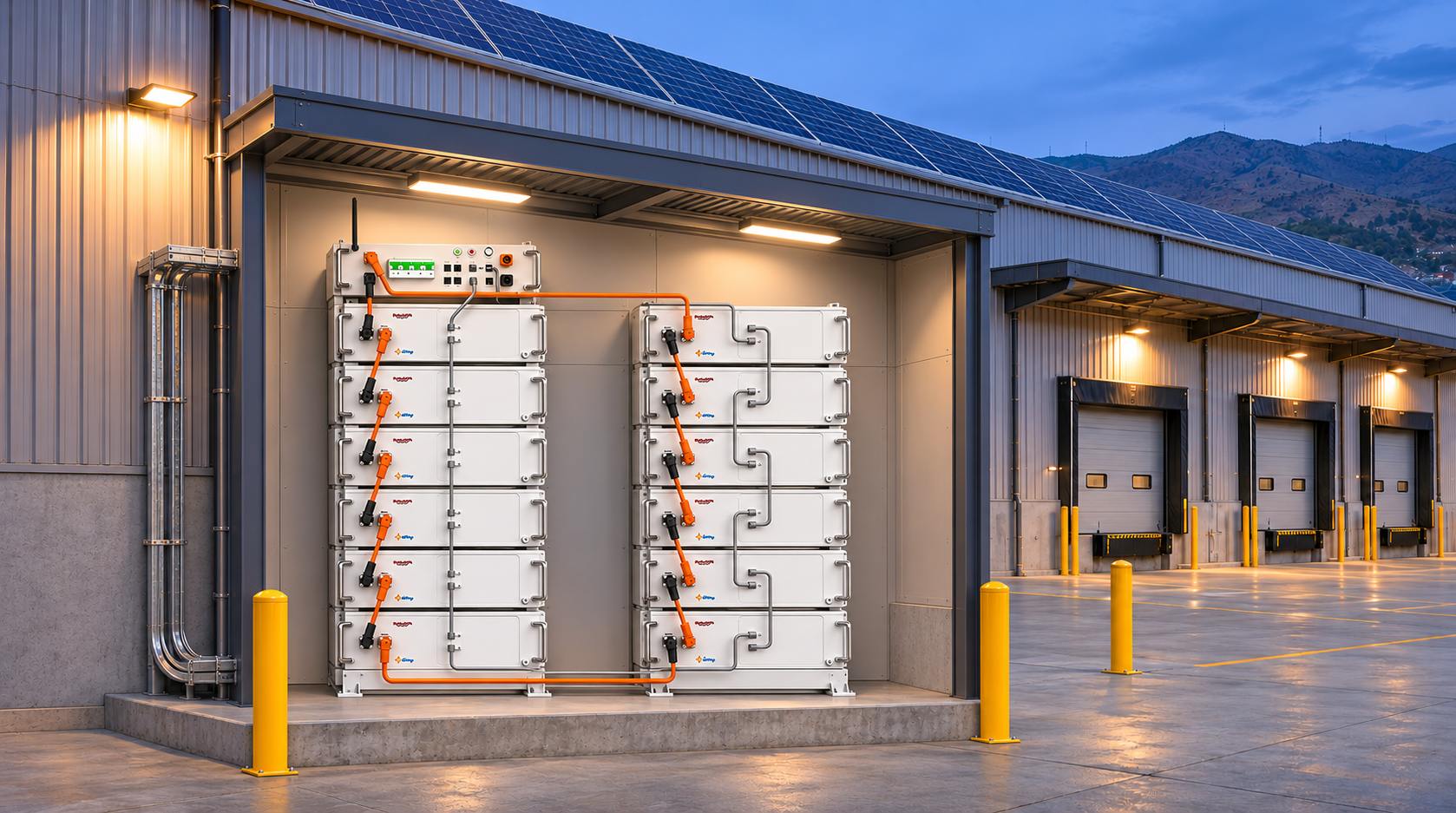
Size a commercial battery energy storage system for backup and peak shaving with worked kW and kWh examples, reserve checks and a quote checklist.
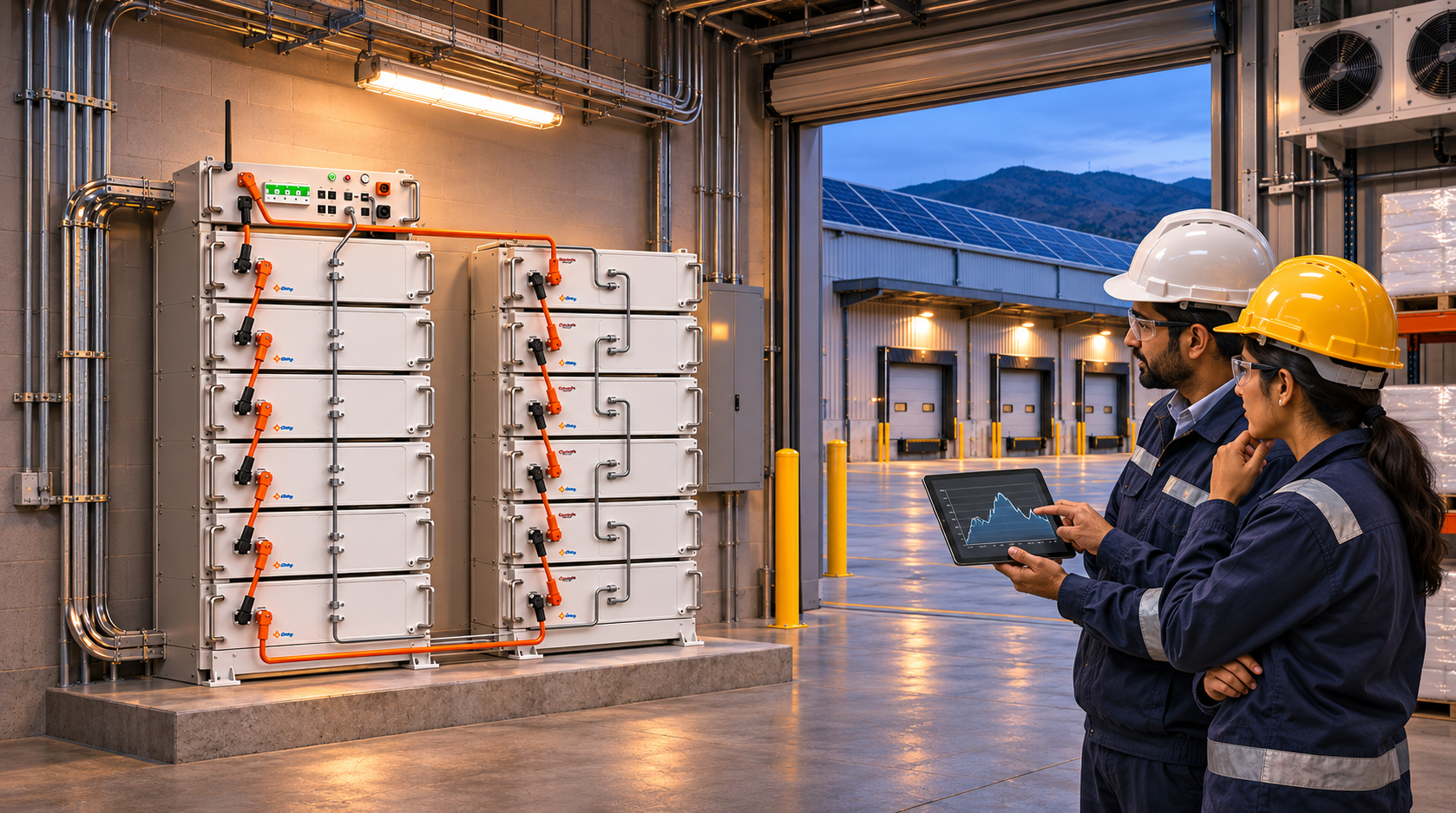
Commercial BESS sizing starts with two different questions: how much power must the system deliver, and for how long? A factory that needs to bridge a short import peak and a warehouse that needs four hours of refrigeration backup can require different batteries even if their monthly electricity bills are similar.
Choose the primary job: backup, solar shifting or demand control. Identify any second job, then decide what happens when they compete. A backup reserve unavailable to peak shaving cannot be counted twice.
Collect interval readings that match the billing interval, plus phase measurements and starting characteristics for essential machinery. Record outage durations, solar generation, operating shifts and time between events. The Luminey Solar Load Calculator can organise loads; measured data is preferable for a commercial proposal.
For steady backup, delivered kWh equals load kW multiplied by hours. With changing load, add the energy required in each interval. For peak shaving, do the same only for the portion above the proposed import ceiling. Bluesun's commercial sizing guide explains why both power and duration matter.
For the backup case, assume 90% of remaining battery capacity is available, discharge efficiency is 92%, and the battery retains 80% of initial capacity at the design end point. The illustrative initial nominal requirement is 72 ÷ (0.90 × 0.92 × 0.80) ≈ 109 kWh. Add any auxiliary loads and reserves not included in those assumptions. Do not apply the factors a second time to a vendor's guaranteed end-of-life AC usable energy figure.
The peak-shaving case calls for more power but far less energy for one event. Repeated peaks before recharge can increase required capacity. A 30 kW unit also cannot hold the 90 kW ceiling if net demand rises above 120 kW under the same assumptions.
A documented growth allowance or end-of-life runtime requirement can justify extra capacity. Buying unneeded energy ties up capital and can increase space and service requirements. Conversely, extra kWh will not fix an undersized PCS, a concentrated phase load or a battery discharge limit.
Ask the installer to simulate a normal day, the worst credible outage and a second event before full recharge. Compare how each configuration performs with the same reserve, load profile and age assumptions. A firm guaranteed operating window is more useful than a large nameplate figure.
Ask the Luminey commercial storage team for a named configuration, continuous AC charge and discharge power, usable AC energy, operating-temperature limits, availability at the end of the warranty period and a measured commissioning test. Confirm whether battery racks, PCS, switchgear, controls and installation are included.
A sizing proposal should show the recharge window as well as the discharge window. If the backup example requires 72kWh delivered to the load and the quoted system achieves 85% AC-to-AC round-trip efficiency at that duty, restoring that energy takes about 85kWh of charging input. At 20kW of available AC charging power, allow about 4.25 hours as a first estimate. Actual recovery can take longer because of tapering, auxiliary consumption, charging limits or competing site demand. Confirm whether the quoted efficiency includes auxiliaries.
Ask each supplier to quote an AC power and energy guarantee at the same temperature, starting charge, age and meter location. For backup, record transfer behaviour, critical-load pickup and delivered runtime. For peak shaving, agree how the import ceiling is measured, then check it against interval readings. If peak shaving cannot use the backup reserve, ask the supplier to demonstrate that the controller preserves it. Use the same acceptance conditions for every offer; a cheaper nameplate kWh is not a saving if the system misses your required runtime.
A backup load seldom stays at one figure. A cold store may draw 12kW during one hour and 24kW during the next. That is 36kWh delivered over two hours, not 48kWh, but the inverter still needs to carry the 24kW interval and any permitted starting demand. Use measured intervals for energy and separate measurements or equipment documentation for short surges. Where three-phase loads are uneven, check each phase in addition to the total.
Decide whether all loads must come back at once after transfer. If restarting everything creates an unrealistic power requirement, ask the engineer whether a staged restart or removing a non-essential circuit can meet the operational goal with a smaller design. Have the agreed sequence recorded in the proposal and tested at handover.
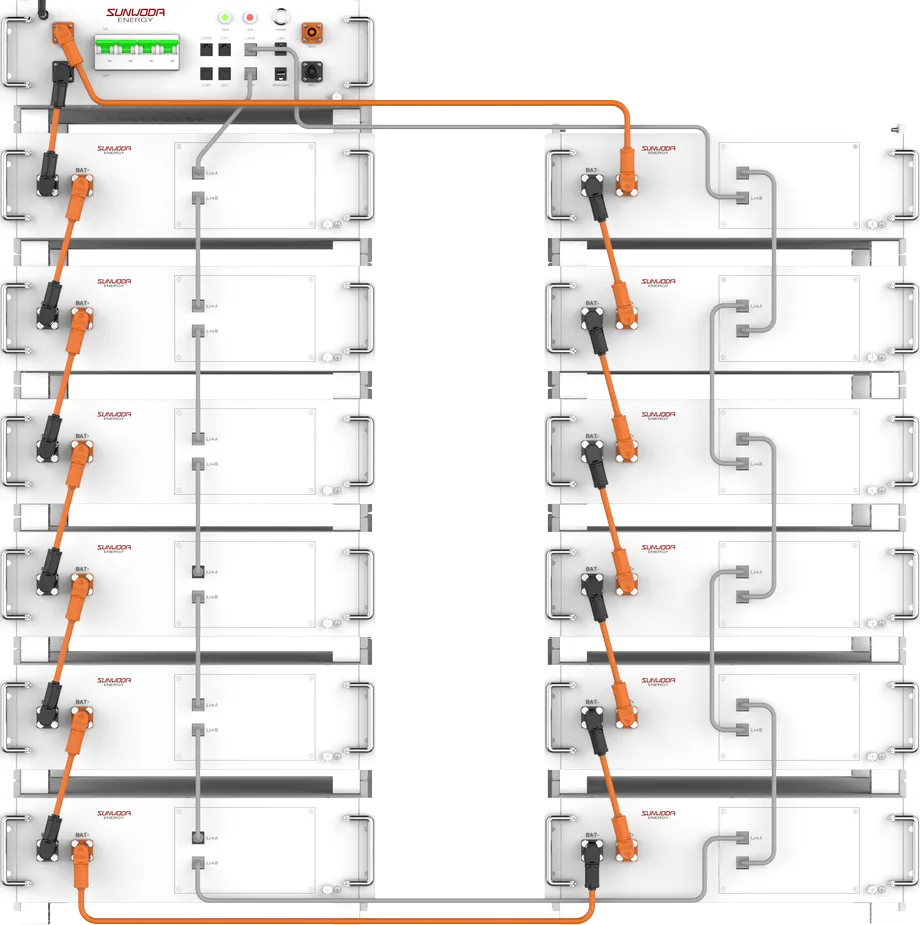
Ask for these options using the same starting charge, usable-energy definition and warranty assumptions. If an installer proposes expansion later, request the approved expansion limit and what changes would be needed in the PCS, protection, physical space and firmware. A modular battery does not guarantee that old and new modules can be mixed without conditions.
Review a busy production day, a low-solar day and two outages close together. If a proposal only works after a full midday recharge, consider what happens in winter or when a shift runs longer than usual. Use only charging power that is actually available after other site loads and connection constraints. If you plan to charge from a generator, include the generator's available capacity and the controls needed to coordinate it.
Before approving the budget, ask the vendor to state the point at which the proposed system stops meeting your target: for example, the load above which three hours of backup is no longer available. That makes the trade-off clear and gives your operations team a measurable rule for which loads to prioritise during an outage.