Learn how a commercial battery energy storage system charges, dispatches power and supports backup, peak shaving and solar self-consumption.
A battery energy storage system (BESS) stores electricity and releases it when a site needs it. For a Pakistani business, that can mean using midday solar after closing time, reducing a short grid-demand peak or supporting selected equipment during load shedding. The controls and electrical design determine which of those jobs the system can actually do.
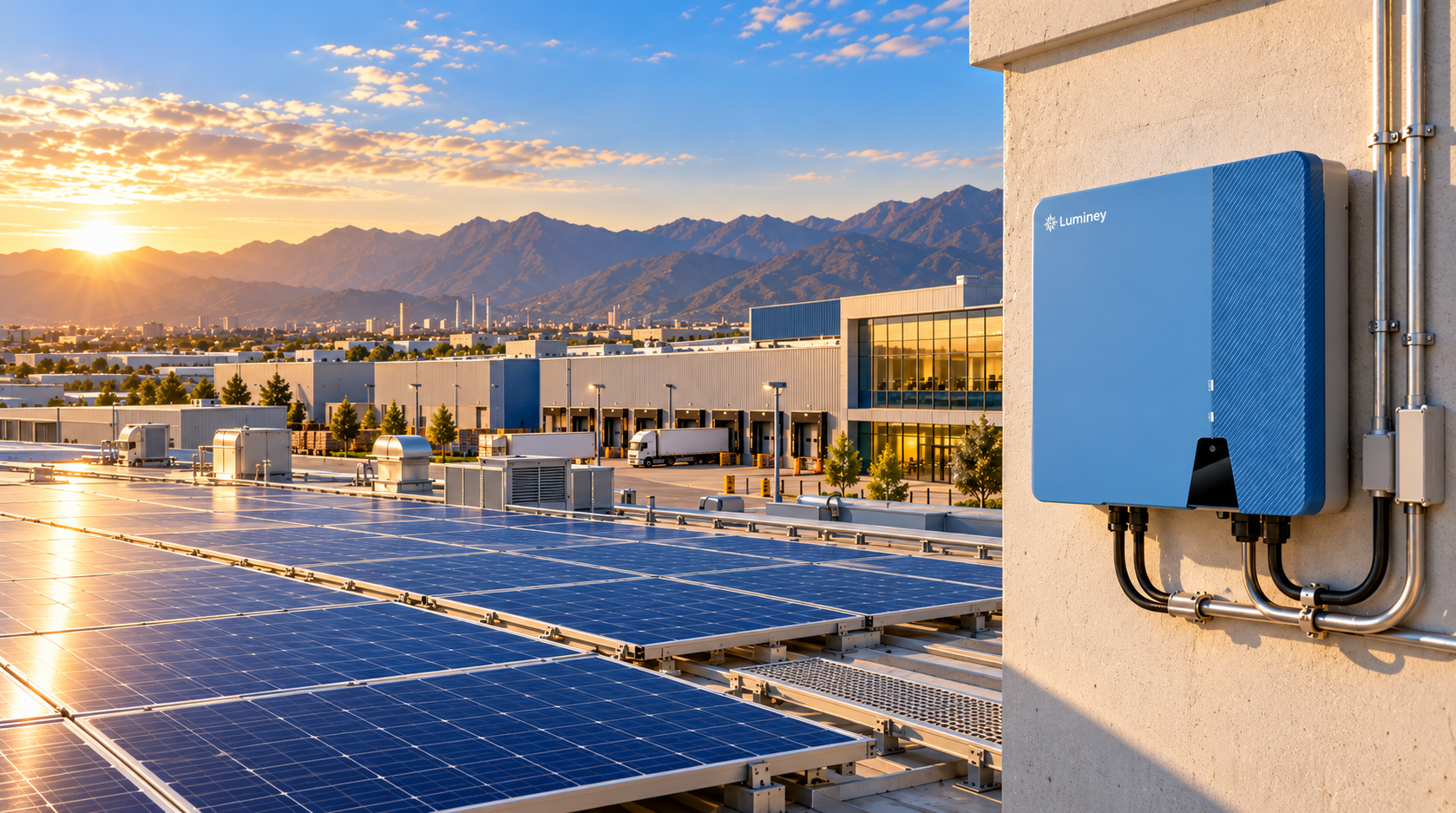
The batteries store energy as DC. In a typical AC-coupled system, a bidirectional power conversion system (PCS) converts AC to DC for charging and DC back to AC for discharge. A DC-coupled design can share parts of the conversion path with solar. Existing equipment, outage behaviour and conversion losses influence that choice.
An EMS can request discharge, but it cannot override safe equipment limits. An integrated cabinet may include several of these functions; check the proposal for external meters, switchgear or controls.
A store with evening refrigeration may charge from surplus daytime PV and discharge after solar output falls. A factory may instead reserve energy until import approaches a demand limit. An office that prioritises continuity may set a minimum reserve and use only the energy above it for routine savings. SolaX's strategy guide describes common dispatch goals.
Value depends on tariff, cycling, losses, downtime costs and upkeep. If the business requires only daytime solar and already has adequate backup, storage may add little. Existing generators need a documented coordination design rather than an assumed plug-in connection.
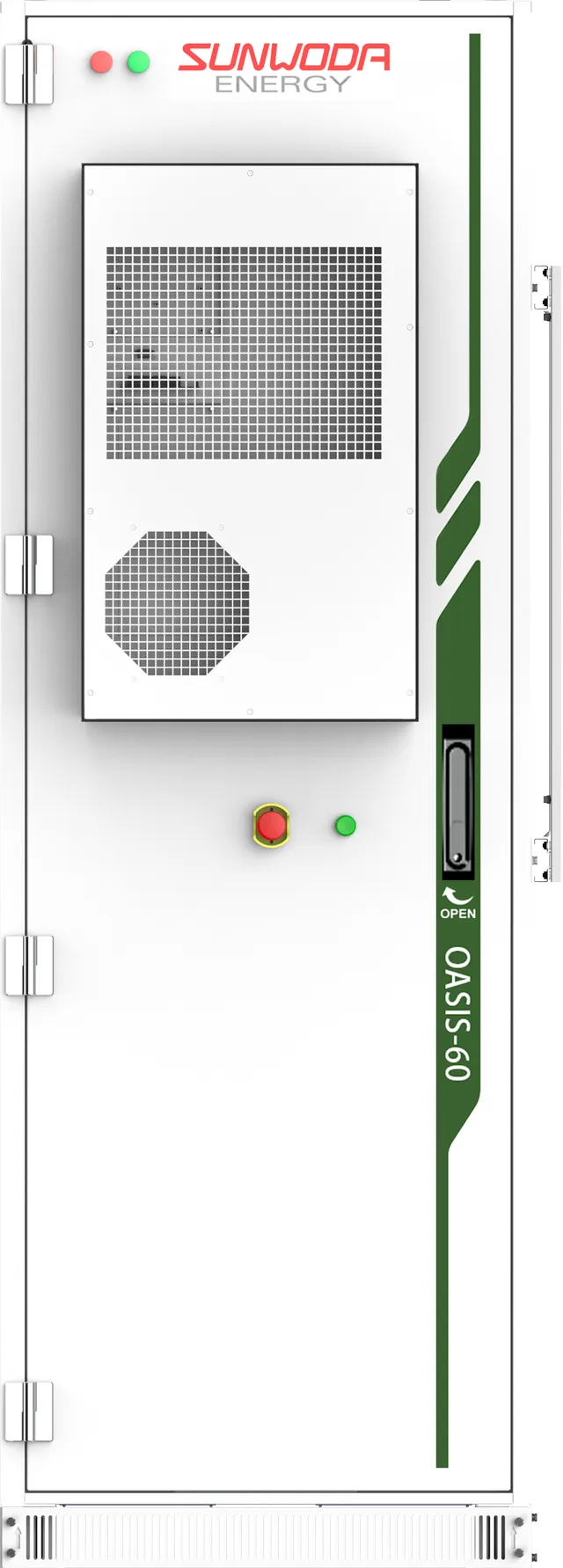
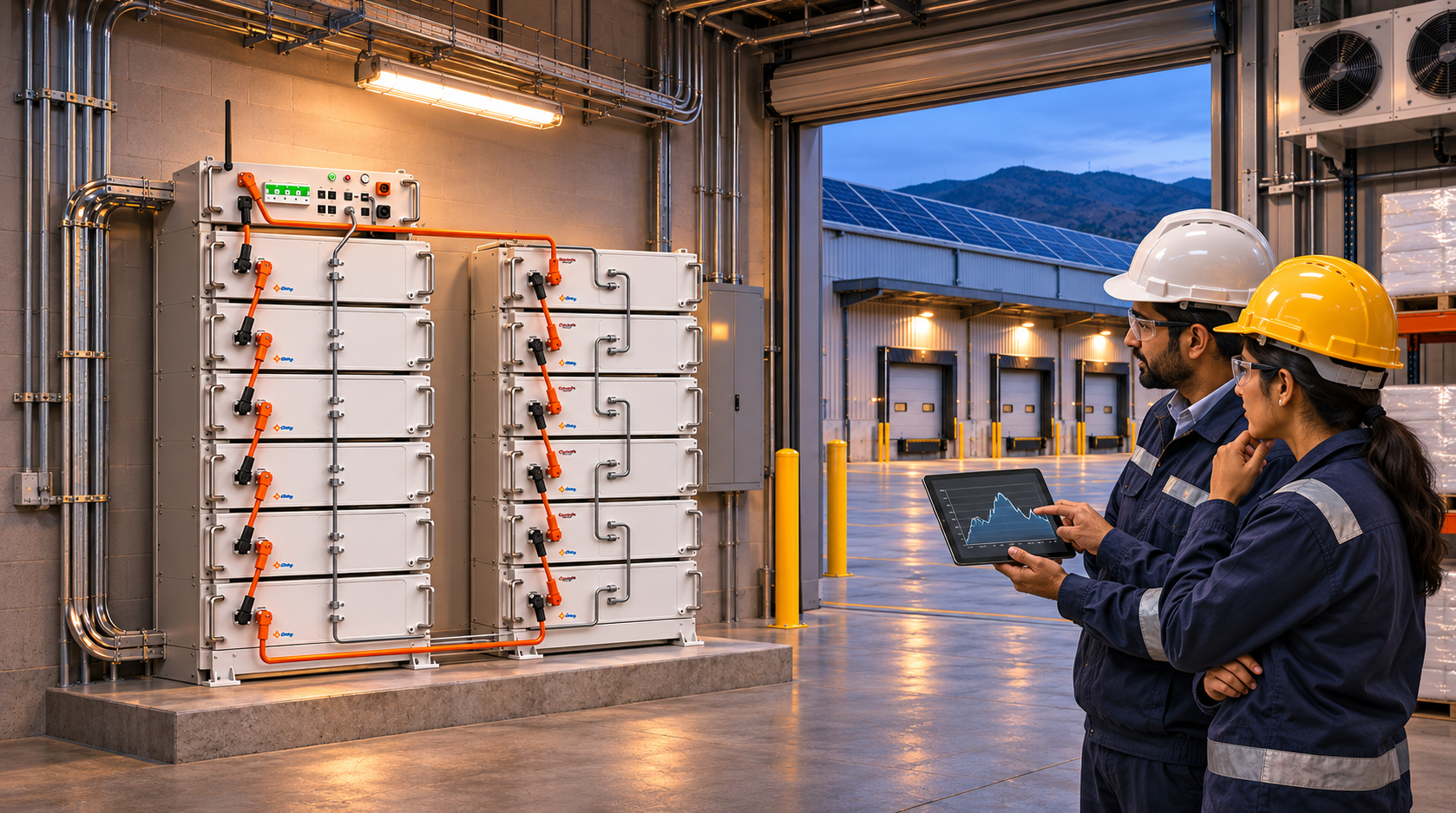
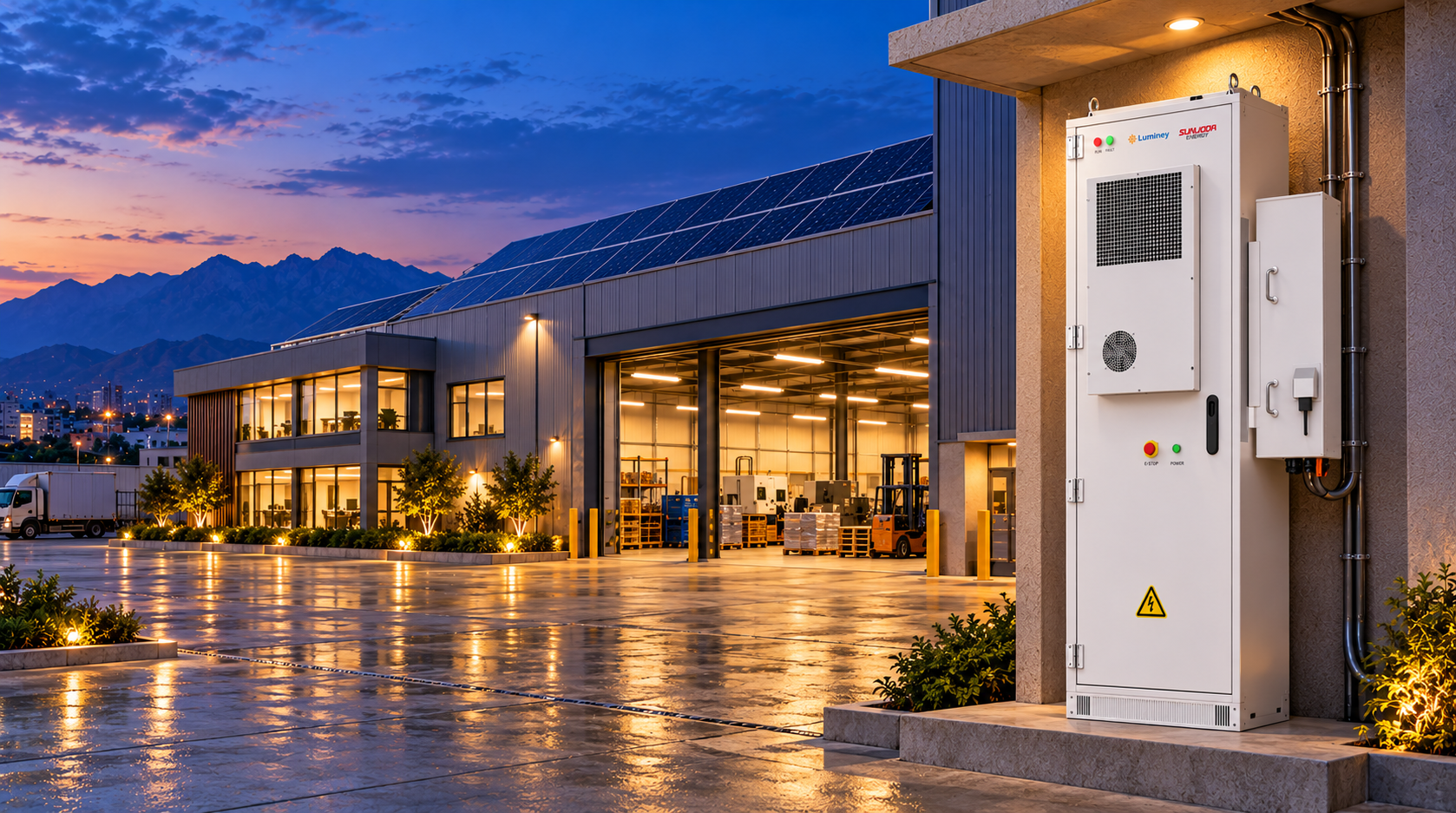
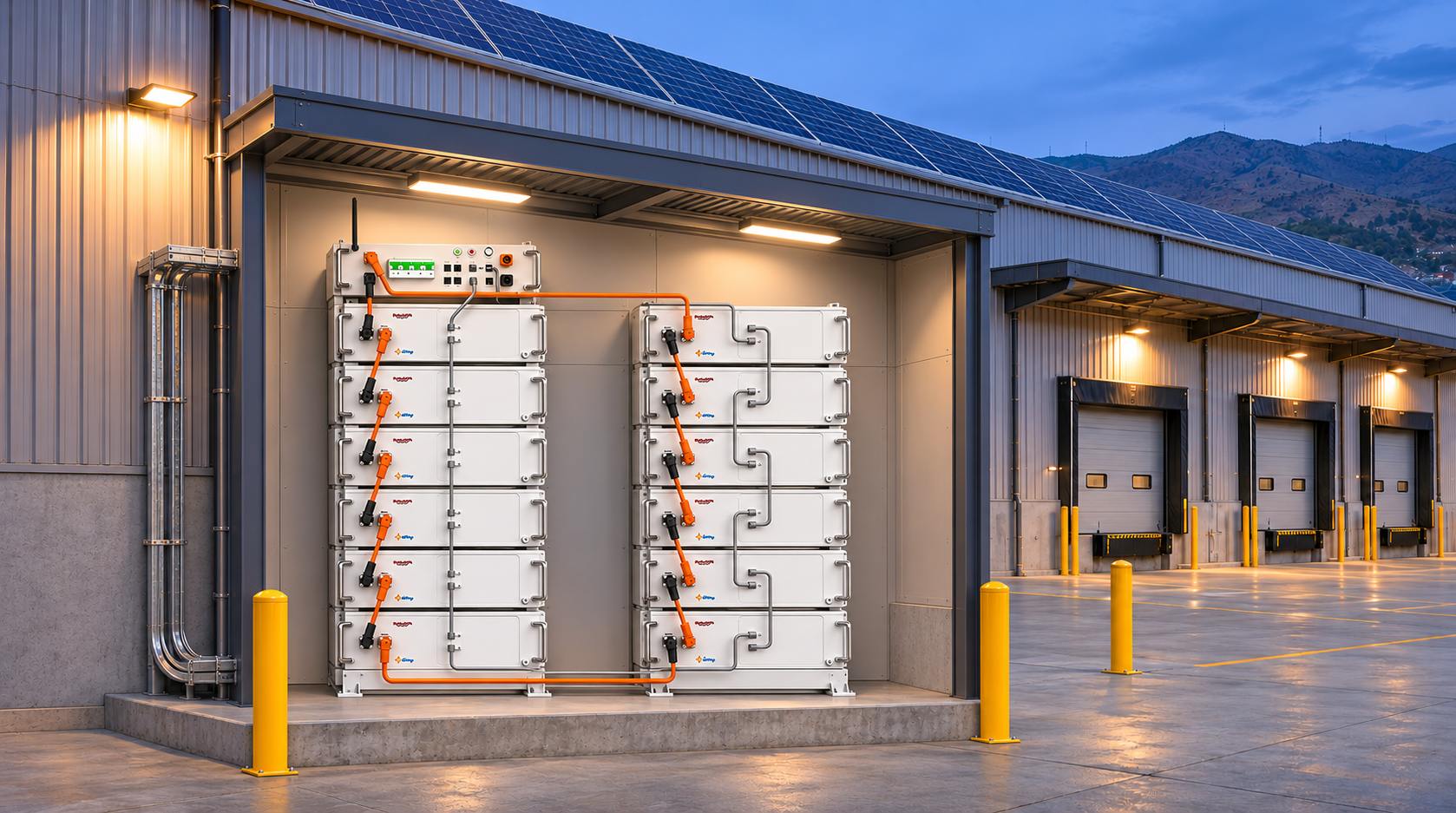
Luminey's commercial and industrial catalogue presents Oasis Flex for indoor deployment and Oasis 60 for outdoor applications. Ask which PCS, controls and protection are included in the proposed configuration, and what remains external. Siting, equipment clearance, thermal management and emergency response should be reviewed by qualified project teams.
A cold store might have two different goals: keep refrigeration running through an outage and reduce the highest recorded grid demand. Ask how long the stock can tolerate an interruption and whether compressors must restart immediately. An office might protect only networking, access control and emergency operations. A factory may prefer enough power for a controlled shutdown rather than backing up an entire production line. Each decision changes the equipment and the cost.
Before booking a site visit, collect a recent bill, operating hours, typical outage durations and a list of the equipment you cannot afford to lose. If you're considering solar shifting, add a day of measured solar production and demand where available. Then ask the installer to show the proposed power flow on a normal day, on a cloudy day and during an outage. A diagram that only shows a battery and solar panels doesn't answer what happens when the utility fails.
If you are already comparing storage options, start with Luminey's commercial and industrial range and request a design for your actual site.
Consider a shop that generates more solar electricity than it uses between noon and 2 p.m. Its controller can charge the battery during that window if the battery has room and the charging equipment can accept the available power. Later, as solar generation falls, the controller can discharge the battery to supply some of the shop's load. If the owner reserves a portion of capacity for outages, the controller should stop routine discharging before it uses that reserve. The next morning's available energy depends on how much was left overnight and whether the system recharged.
This is why the battery's state of charge and its power limit are separate figures on a monitoring screen. A nearly full battery can still be limited in how quickly it supplies energy. An inverter display may also show battery output at a different point from the site meter, so agree where performance will be measured before assessing a savings claim.
Ask for a scope that names the battery cabinet, conversion equipment, metering, controls, protection and any switchgear required to transfer essential loads. An all-in-one cabinet can simplify some of that packaging, but the installation may still need external equipment, civil works or changes to the distribution board. Ask who is responsible for each item and what the quote excludes.
At a factory or cold store, check that the proposed location supports maintenance access and appropriate operating conditions. Ask who will review emergency isolation, fire response, alarms and the manufacturer's siting requirements. If the system connects to a generator, ask the installer to demonstrate which equipment controls the site during an outage and how the system returns to normal operation. A standard solar installation should not be assumed to behave this way.
Ask the supplier to separate avoided energy purchases, any reduction in billed demand and the operational value of preventing downtime. These are different benefits. A warehouse may justify a battery mainly because an outage disrupts stock handling, even when electricity savings alone do not justify the project. For peak shaving, ask whether the tariff actually includes a demand charge and which meter intervals determine it.
Compare the installed and operating costs with a realistic alternative, such as retaining an existing generator, backing up fewer circuits or changing the timing of flexible loads. Include maintenance, expected replacement, financing and charging costs. A practical first proposal shows the assumed operating schedule and makes it possible to challenge the numbers.
Share your bills, outage history and critical-load list with the Luminey team. Start with the operational problem, then choose the storage architecture.