Compare 15kW hybrid inverter prices in Pakistan, low- and high-voltage models, battery pairing, backup limits and complete commercial quotes.

A 15kW hybrid inverter can make sense for a Pakistani shop, office or workshop that needs storage and has a suitable three-phase installation. A quote must identify the exact model, battery architecture and backup scope. A 15kW on-grid inverter and a 15kW hybrid may have the same headline output rating but serve different needs.
Ask for the nameplate model, exact suffix, serial verification, tax treatment, current stock and written warranty. A supplier may carry Fox or other 15kW hybrids, but compare a dated quotation and matching manufacturer documentation before treating them as equivalent.
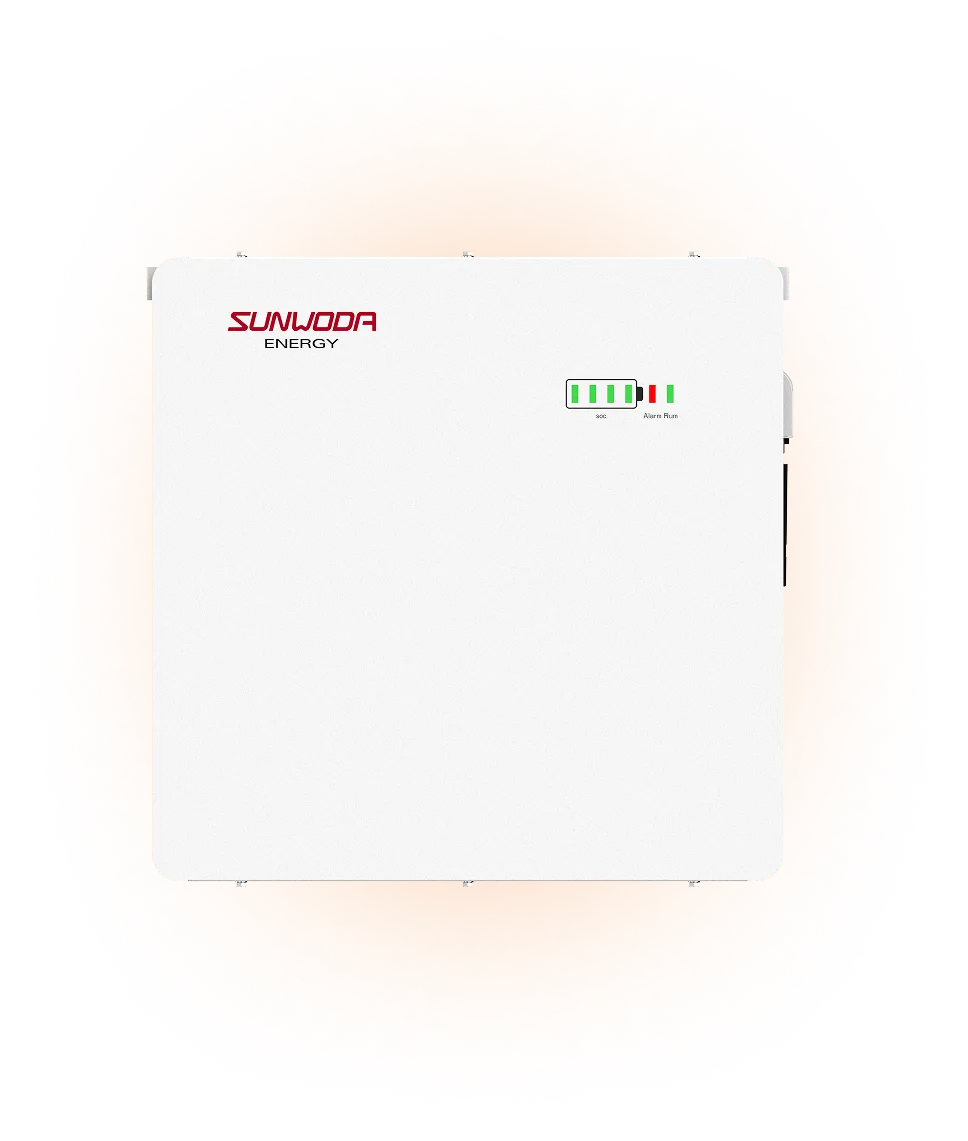
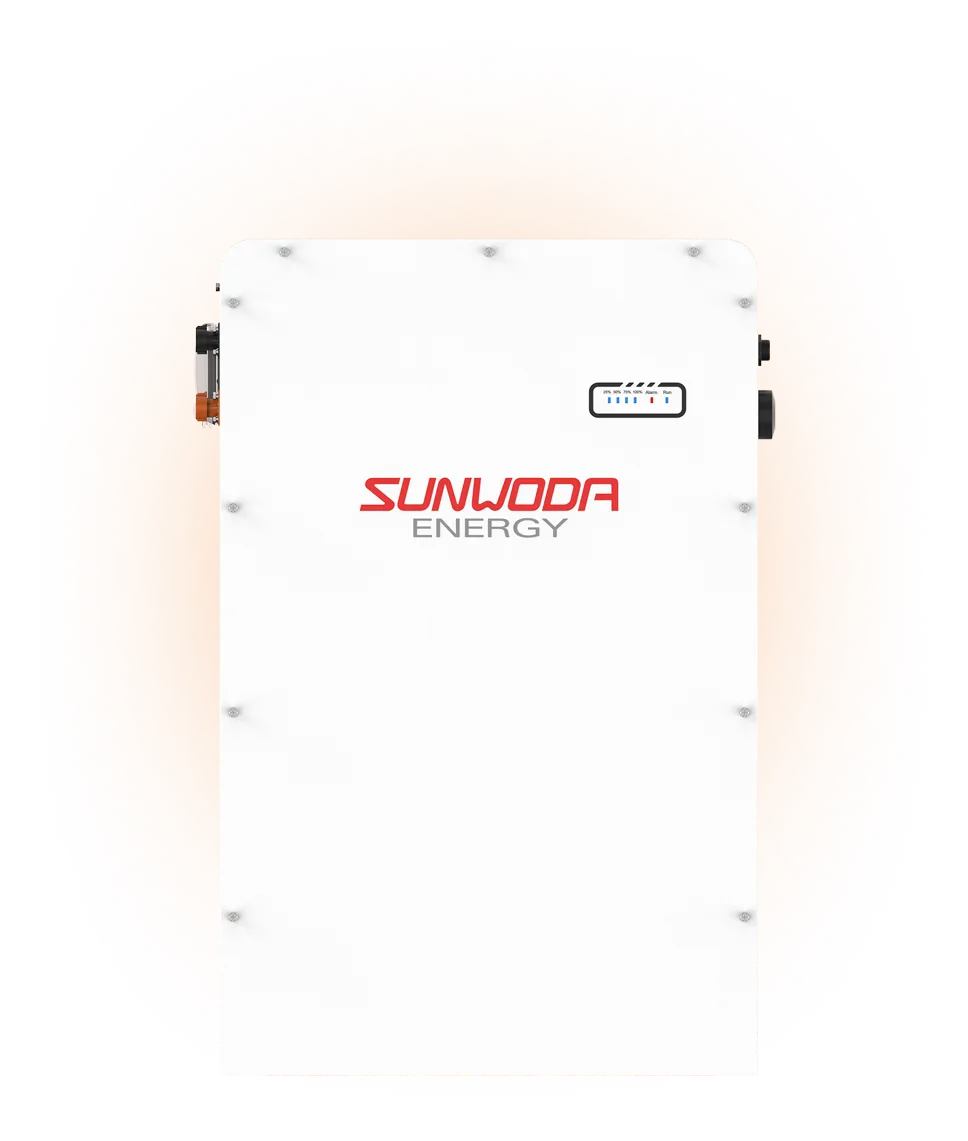
Battery voltage class is a design decision. A low-voltage inverter requires an approved low-voltage bank that can provide the current needed at the intended load. A high-voltage model needs an approved pack or stack with the correct operating voltage window and controls. A 48V battery cannot be substituted simply because both batteries quote the same kWh. The Solis Solarator LV datasheet illustrates why buyers should check the exact variant's grid and backup ratings.
Treat a 2025 price guide as historical context. Even a 2026 guide titled “Solar Inverter Price in Pakistan Today” can contain older supplier figures or exclude batteries. Request itemised quotes for the same panels, usable storage and commissioning scope. For a site requiring 8 kW of essential loads for two hours, the battery must deliver 16 kWh AC before adding allowances for losses, reserve and ageing. The battery must also support the power and phase demands during that period.
Luminey's 15kW G2 Pro belongs to the on-grid range. It is a sensible comparison when daytime generation is the main goal and the site does not need this inverter to supply backup. If storage is required, discuss a complete design with Luminey's commercial storage team. Do not label the G2 Pro a hybrid or assume direct battery compatibility.
If your site mainly wants daytime solar and outages are already covered, ask for an on-grid quote as a baseline. If outages interrupt sales or spoil stock, specify which circuits actually need backup before choosing the hybrid package. A UPS for sensitive tills or networking may still be appropriate even if a hybrid supplies the rest of the essential board. For the broader selection process, see Luminey's installer selection guide.
Suppose a workshop needs 4kW, 3kW and 2kW on its three phases during an outage. That is 9kW total. Ask the supplier to show that the inverter and battery support those individual phase loads together, including the relevant starting demand. If the workshop needs two hours at that steady load, it requires 18kWh delivered AC, before any extra load or reserve. Get the essential-circuit schedule and backup test in writing. A less expensive inverter-only listing is not comparable with a quote that includes storage, electrical work and commissioning.
Start with the load, then choose the voltage class. For an illustrative 10kW AC backup load and 92% conversion efficiency, the battery must supply roughly 10.9kW DC before auxiliary loads. At an illustrative 51.2V, that is about 212A. This is a screening calculation, not a wiring specification: actual voltage changes with operation, and equipment limits determine what can be supplied. The example shows why a single low-voltage battery with sufficient stored energy might still be unable to carry the load.
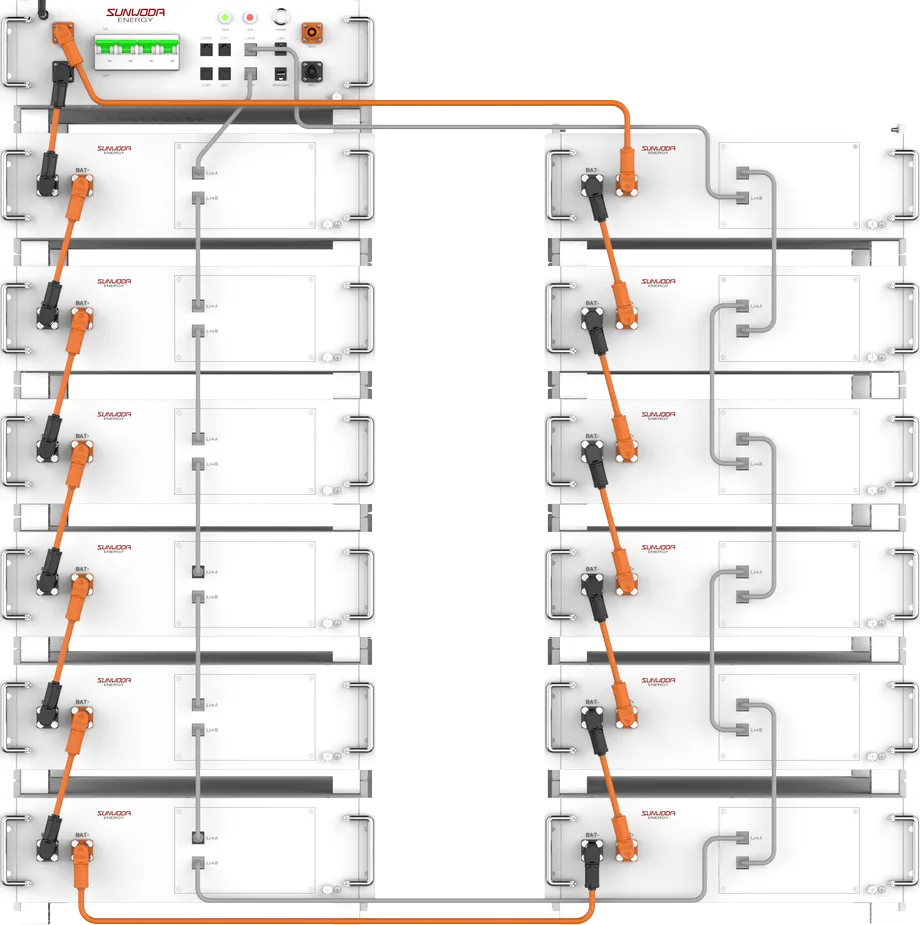
For a high-voltage proposal, ask what minimum and maximum module counts the inverter supports and what the starting configuration costs. For a low-voltage proposal, ask how the installer will achieve the required continuous current using approved equipment. Ask both suppliers to identify the warranty owner for the inverter and battery pairing. Compare only systems that can deliver the same power, usable energy and operating modes.
If the seller advertises a price without an installation scope, use it only as a comparison for the named inverter. Check whether a meter, communications accessory or external transfer arrangement is included. Ask whether an existing generator or UPS is part of the design. If the supplier claims it can be integrated, request a documented operating sequence rather than assuming the systems can be connected as-is.
A smaller system may be enough if the business only needs lights, networking and selected refrigeration. A larger or differently configured system may be needed if several machines must restart together or if one phase carries more load than the inverter can supply in backup mode. Price both options with the same runtime requirement. Increasing inverter power does not increase battery energy, and adding battery energy does not necessarily increase the inverter's output. Ask the installer to explain which constraint drove the proposed 15kW rating.
For the full quotation checklist, read Luminey's installation cost guide.